 Save
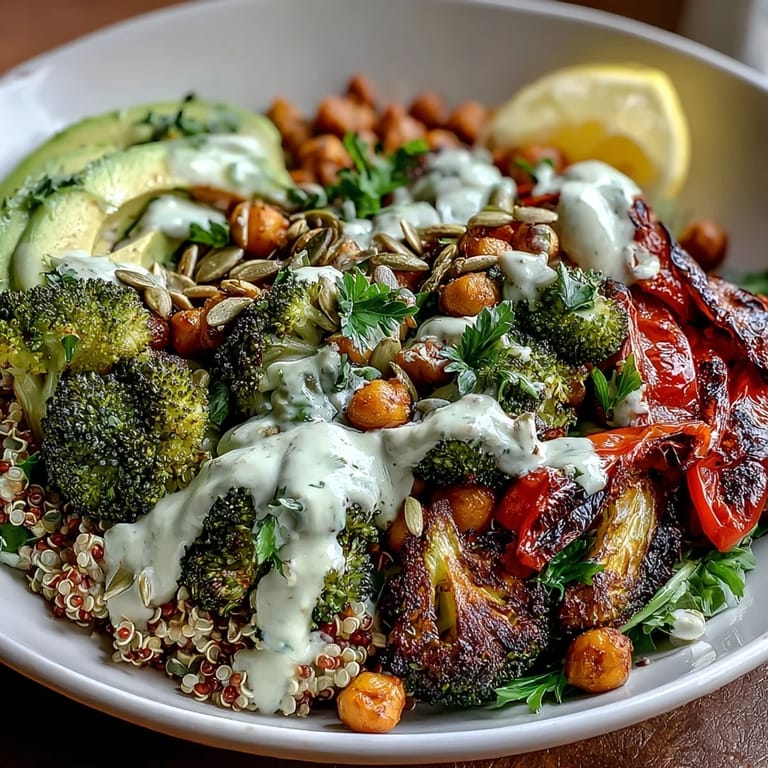
Save My roommate once called this bowl "deconstructed optimism," and I couldn't stop laughing because she was absolutely right. There's something about assembling all these colorful roasted vegetables, tender legumes, and fluffy grains that just feels like you're building something good for yourself. I started making these bowls on Sunday afternoons when the farmer's market was overflowing, and somehow it became my answer to every "what's for lunch this week" question. The beauty is that nothing requires your undivided attention, so you can roast, simmer, and whisisk all at the same rhythm.
Last winter, I brought these bowls to a potluck where someone had organized a "nothing with cheese" dinner, and I watched people actually fight over the last one. That's when I realized this wasn't just convenient food, it was the kind of thing that makes people genuinely happy. The roasted edges on the vegetables give you this slight char and caramelization that transforms what could be plain steamed veggies into something with actual depth.
Ingredients
- Quinoa, brown rice, or farro (1 cup): Pick whatever grain speaks to you, but quinoa finishes fastest if you're in a hurry and has a nuttier texture than you'd expect.
- Vegetable broth or water (2 cups): Broth adds subtle flavor that boring water can't match, and it costs the same, so why not?
- Chickpeas and lentils (1 cup each, cooked): These are your protein anchors and they taste best when you use them at room temperature or just slightly warmed instead of piping hot.
- Bell pepper, zucchini, red onion, cherry tomatoes, broccoli: These are suggestions, not rules, so swap in sweet potato, cauliflower, or carrots depending on what looks good and what's affordable.
- Olive oil, smoked paprika, cumin (2 tbsp oil, 1 tsp paprika, 1/2 tsp cumin): The spices are what make roasted vegetables taste like you actually know what you're doing in the kitchen.
- Fresh parsley, avocado, pumpkin seeds, lemon wedges: These garnishes do the heavy lifting for texture and brightness, so don't skip them thinking they're optional.
- Tahini, lemon juice, garlic (2 tbsp tahini, 1 tbsp lemon, 1 garlic clove): This dressing is the secret weapon that ties everything together, and adding water gradually means you can control whether it's pourable or dippable.
Tired of Takeout? 🥡
Get 10 meals you can make faster than delivery arrives. Seriously.
One email. No spam. Unsubscribe anytime.
Instructions
- Heat your oven first:
- Get that oven to 425°F so it's ready the moment you finish chopping vegetables. The preheat isn't just suggestion, it's the difference between roasted and steamed.
- Start your grains simmering:
- Bring salted broth to a boil, add grains, then turn it down to low and cover it. Walk away and let the pot do its thing for about 15 to 40 minutes depending on which grain you chose, then fluff it with a fork and taste for salt.
- Chop and season vegetables:
- Cut everything into similar-sized pieces so they roast evenly, then toss them in a bowl with olive oil, paprika, cumin, salt, and pepper. Don't be shy with the oil or seasoning, because that's where the flavor actually lives.
- Roast until charred:
- Spread vegetables in a single layer on a baking sheet and let them sit undisturbed for about 10 minutes, then stir halfway through. You want golden edges and a little char, not soft and sad.
- Warm the legumes gently:
- If you want them warm instead of room temperature, heat them in a pan with a splash of olive oil for just a couple minutes so they don't dry out. This step is optional but makes the bowl feel more like actual dinner.
- Make the tahini dressing:
- Whisk tahini, lemon juice, minced garlic, salt, and pepper together, then add water one tablespoon at a time until you get something pourable. It'll thicken as it sits, so start with less water than you think you need.
- Build your bowls:
- Start with grains as your base, then layer on roasted vegetables and legumes. The order matters less than making sure everything's distributed so each spoonful has something different.
- Finish and serve:
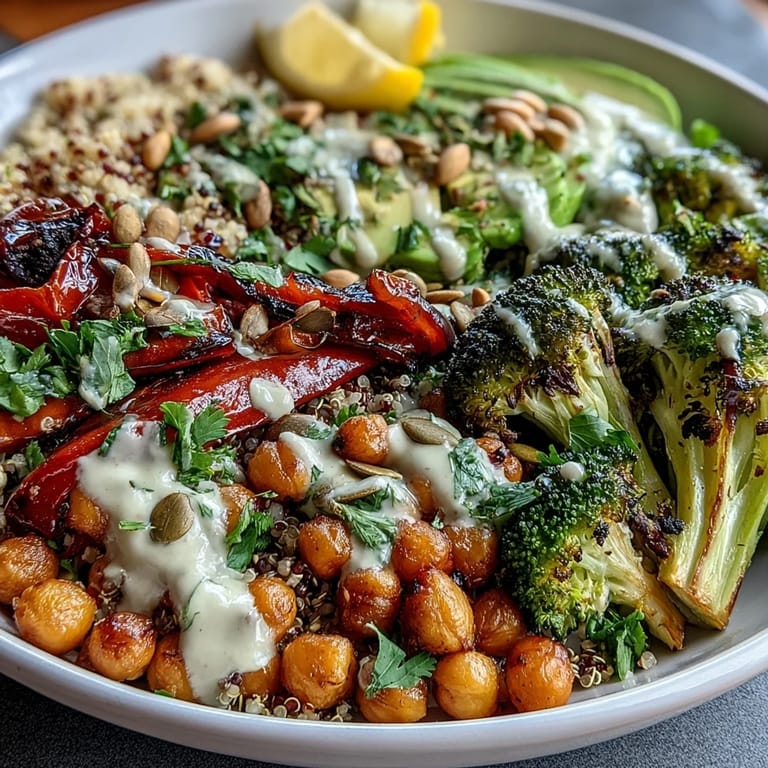
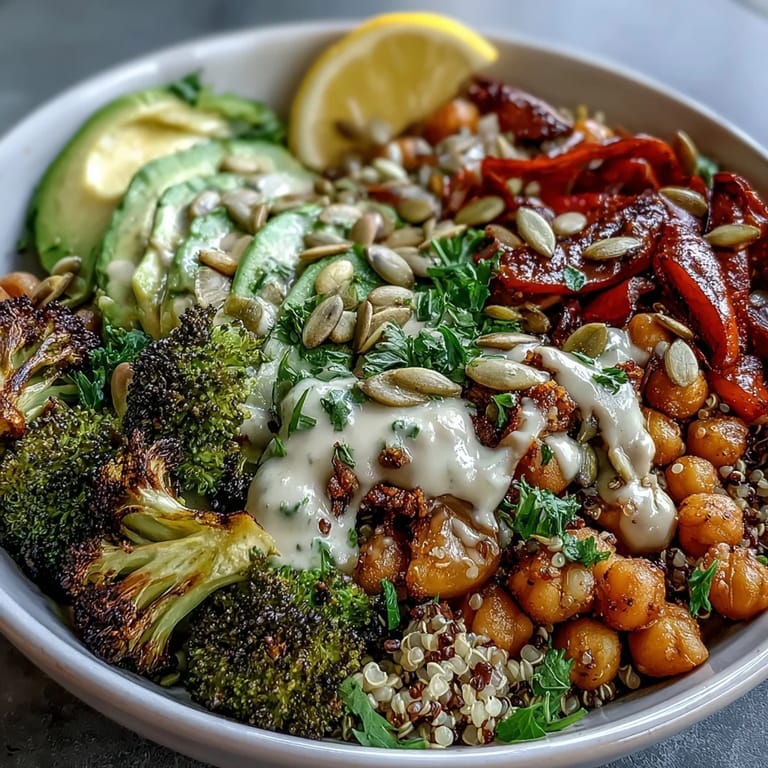
- Drizzle generously with tahini dressing, scatter parsley and pumpkin seeds on top, lay avocado slices where people can see them, and put lemon wedges on the side for people to squeeze.
 Save
Save There was this Tuesday when I made four of these bowls and my partner came home early and just sat down without saying anything, then looked up halfway through and said, "This is what I needed." That's when I understood that feeding people well is quietly powerful. It's not about complicated techniques or rare ingredients, it's about respecting what goes into each person's body and putting thought into flavor and texture.
Grain Choices and What They Bring
Quinoa finishes in 15 minutes and tastes slightly fluffy with a tiny crunch at the center of each grain, making it the choice for people who want dinner fast. Brown rice takes longer but absorbs flavors beautifully and costs less, so it's what I reach for when I'm feeding more people. Farro has this chewy, substantial texture that makes you feel like you're eating something hearty, though you'll need to confirm it's certified gluten-free if that matters to you.
Vegetable Swaps for Every Season
Summer calls for raw corn kernels, yellow squash, and heirloom tomatoes, while fall is made for roasted sweet potato, Brussels sprouts, and mushrooms. Winter is when I lean on cauliflower, carrots, and beets, and spring is all soft roasted green beans and tender asparagus. The magic is that any vegetable you roast at high heat with olive oil and spices becomes delicious, so you're never stuck eating something boring.
Making This Bowl Work for Your Life
I started prepping components individually so I could mix and match throughout the week, which sounds boring but actually gives you variety. You can make extra grains and legumes on Sunday, roast whatever vegetables are on sale, and then assemble fresh bowls every day with different toppings. The tahini dressing keeps in a jar for almost a week, making weeknight assembly genuinely effortless.
- Cook your grains and legumes ahead of time, storing them separately in airtight containers so they last up to five days.
- Roasted vegetables taste best the day they're made, but you can prep them in the morning and reheat gently before serving.
- Keep avocados whole until you're actually building the bowl, since they brown fast once they hit air.
 Save
Save This bowl isn't just a meal, it's proof that taking care of yourself doesn't have to be complicated or time-consuming. Make it once and you'll understand why it becomes a regular part of your rotation.
Recipe Questions & Answers
- → Can I make this bowl ahead of time?
Absolutely. The roasted vegetables, cooked grains, and legumes store well in separate airtight containers for up to 4 days. Reheat vegetables and grains gently, then assemble with fresh garnishes and dressing when ready to serve.
- → What other grains work well in this bowl?
Beyond quinoa, brown rice, and farro, try couscous, barley, bulgur, or millet. For a grain-free option, use cauliflower rice or serve the roasted vegetables and legumes over leafy greens.
- → Can I use canned legumes instead of cooked?
Yes, canned chickpeas and lentils work perfectly. Simply drain, rinse thoroughly, and pat dry before seasoning. If using canned, skip the warming step or heat briefly with spices to enhance flavor.
- → How do I prevent the tahini dressing from seizing?
Whisk tahini with lemon juice first until thick and creamy, then gradually add room temperature water while whisking continuously. If the dressing becomes too thick, add water one teaspoon at a time until smooth and drizzleable.
- → What vegetables can I substitute seasonally?
In autumn, try sweet potato cubes, Brussels sprouts, or cauliflower. Winter works well with root vegetables like parsnips and carrots. Spring brings asparagus and peas, while summer offers eggplant, corn, and fresh green beans.