 Save
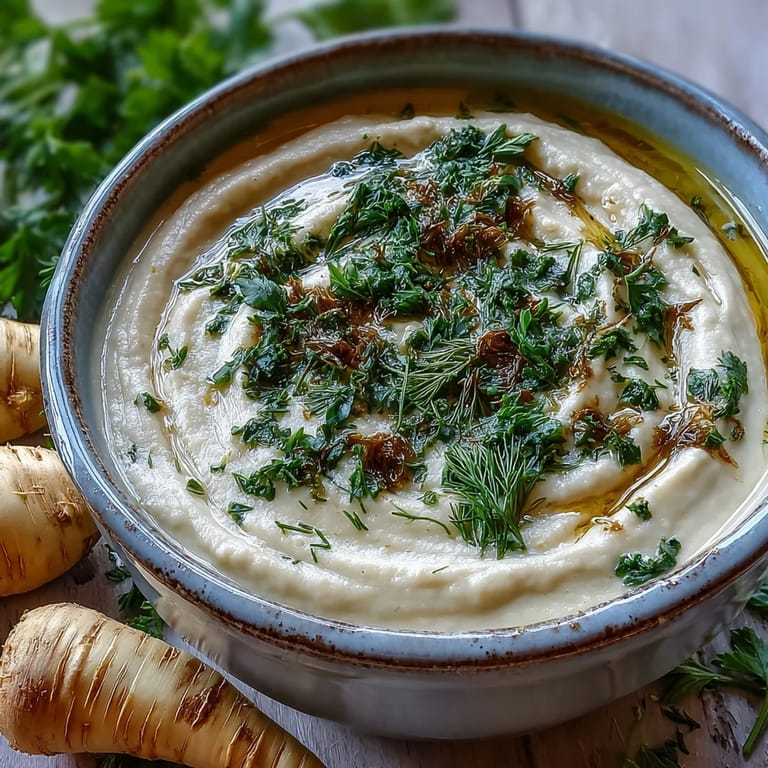
Save The first time I saw a parsnip I mistook it for a pale and unenthusiastic carrot. My grandmother laughed and told me it was the secret to the best winter soup I would ever taste. She was right especially when the edges get dark and sticky in the oven. Now that specific scent always signals that the seasons are shifting. It is a humble vegetable that demands very little but gives back so much.
One evening a friend dropped by unannounced while I was blending this batch and we ended up eating it straight from the pot with torn pieces of sourdough. We laughed about how such a simple vegetable could feel so luxurious. The kitchen was warm, the steam fogged up the windows, and the conversation flowed as easily as the soup. It proved that the best meals are often the ones you share without a plan.
Ingredients
- 800g Parsnips: Look for medium ones because the larger roots often have a woody core that is difficult to blend.
- 1 Medium Onion: This provides a savory base that balances the natural sugars found in the roasted vegetables.
- 2 Garlic Cloves: Roasting them whole in their skins prevents bitterness and adds a mellow and buttery depth.
- 1 Medium Potato: A single potato acts as a natural thickener to give the soup a velvety body without too much dairy.
- 1L Vegetable Stock: Use a high quality version to ensure the savory notes are strong enough to support the sweetness.
- 200ml Whole Milk: This adds a touch of silkiness and helps marry the flavors together at the final stage.
- 2 Tablespoons Olive Oil: A good glug ensures the vegetables get those crisp and browned edges during the roasting process.
- 1 Bay Leaf: It adds a subtle floral note that works behind the scenes to enhance the herbs.
- 1 Teaspoon Fresh Thyme: This herb brings an earthy quality that perfectly complements the sweetness of root vegetables.
- Half Teaspoon White Pepper: I prefer this over black pepper because it provides a clean heat without distracting black flecks.
- Salt: Add this gradually at the end to ensure you do not overpower the natural flavors.
- 2 Tablespoons Fresh Parsley: This adds a grassy freshness that keeps the soup from feeling too heavy.
- 2 Tablespoons Fresh Chives: Their mild onion bite provides a sharp contrast to the creamy texture.
- 1 Tablespoon Fresh Dill: Including this is my secret for a bright twist that makes every spoonful interesting.
Tired of Takeout? 🥡
Get 10 meals you can make faster than delivery arrives. Seriously.
One email. No spam. Unsubscribe anytime.
Instructions
- Prepare the roast:
- Toss the chopped roots and aromatics in oil and bake them at 200 degrees C until they are deeply caramelized. This step is where all the concentrated flavor lives so do not rush the browning.
- Simmer the base:
- Combine the roasted gems with the potato and stock in a large pot to soften. Let it bubble gently until the potato chunks yield easily to the back of a spoon.
- Puree the mix:
- Pull out the bay leaf and blend the soup until it looks like liquid velvet. An immersion blender works wonders here to keep things easy and mess free.
- Finish with silk:
- Stir in the milk and warm it through while being careful not to let it reach a full boil. This keeps the texture smooth and prevents the dairy from separating.
- Add the garden:
- Fold in the freshly chopped herbs right before serving to keep their colors vibrant. Their aroma will hit you the moment they touch the hot liquid.
 Save
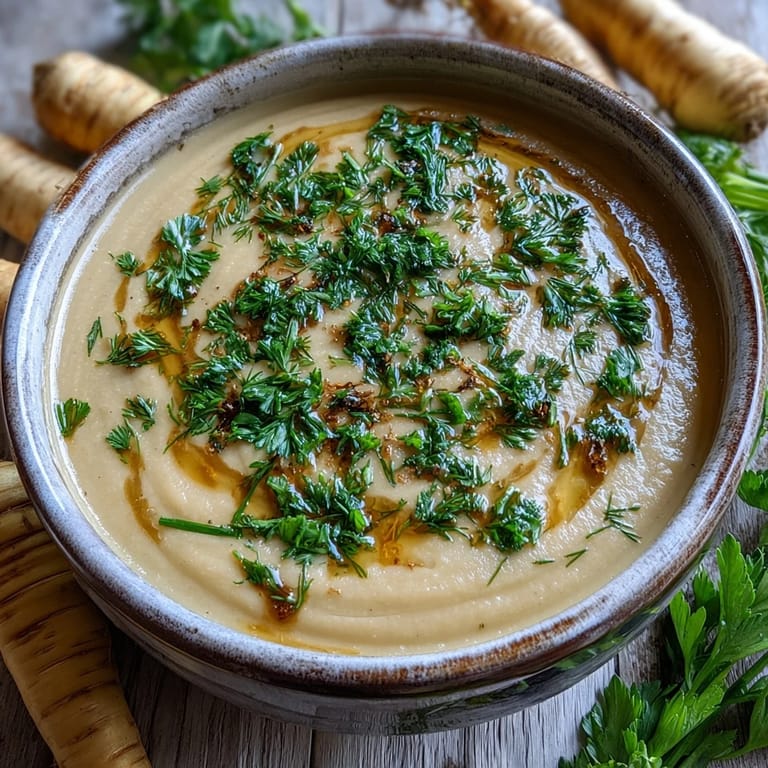
Save I remember serving this at a cold winter solstice party where everyone held their mugs like hand warmers. The room was full of candles and for a few minutes the only sound was the clinking of spoons.
The Magic of Roasting
Roasting brings out a nutty profile that you just cannot get from steaming. The high heat of the oven transforms the starches into sugars making the final soup taste naturally rich.
Herb Selection Matters
While I love the trio of parsley and chives and dill you can experiment based on what is growing in your window box. Rosemary can be lovely but use it sparingly as it can easily overpower the delicate parsnip.
Finishing Touches
A drizzle of extra virgin olive oil right at the end adds a fruity finish that ties everything together. I also love topping my bowl with a few crunchy sea salt flakes for texture.
- Try serving this with a side of toasted rye bread for an extra earthy meal.
- A small squeeze of lemon juice can brighten the flavors if the parsnips are particularly sweet.
- Leftovers actually taste better the next day after the herbs have had time to infuse.
 Save
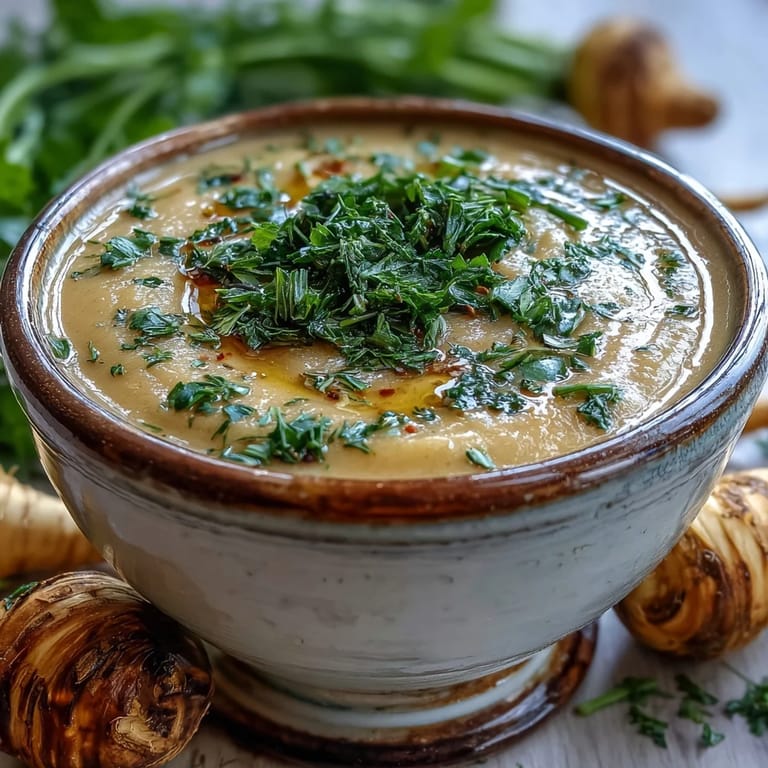
Save This soup is a quiet reminder that simple ingredients can create the most profound comfort. I hope it brings a little bit of light to your next chilly afternoon.
Recipe Questions & Answers
- → Can I freeze this parsnip soup?
Yes, this soup freezes beautifully. Allow it to cool completely before transferring to airtight containers or freezer bags. It will keep for up to 3 months. Thaw overnight in the refrigerator and reheat gently, adding a splash of milk or stock if needed to restore consistency.
- → What herbs work best in parsnip soup?
Fresh parsley, chives, and dill create a classic combination that complements the earthy sweetness of parsnips. Thyme adds wonderful depth during cooking, while bay leaf provides subtle aromatic notes. Feel free to adjust the herb blend to your taste or what's available in your garden.
- → Why roast the parsnips first?
Roasting parsnips before simmering concentrates their natural sugars and creates caramelized edges that add depth to the final soup. This extra step transforms the flavor profile from simple to sophisticated, giving the soup a rich, complex taste that can't be achieved through boiling alone.
- → Can I make this soup dairy-free?
Absolutely. Simply substitute the whole milk with unsweetened almond, oat, or coconut milk. Oat milk particularly complements the creamy texture. For the garnish, skip the cream drizzle or use a dollop of coconut cream instead. The soup remains just as delicious and satisfying.
- → How do I achieve the smoothest texture?
For restaurant-quality smoothness, use a high-speed blender and work in batches if necessary. Allow the soup to cool slightly before blending—hot liquids can expand dangerously. Blend for at least 2-3 minutes until completely silky, then strain through a fine-mesh sieve for an ultra-refined finish if desired.
- → What can I serve with parsnip soup?
Crusty bread or warm rolls make perfect accompaniments for dipping. A light green salad with citrus vinaigrette provides fresh contrast. For a more substantial meal, pair with a goat cheese tart or quiche. A crisp Sauvignon Blanc or dry cider cuts through the creaminess beautifully.