 Save
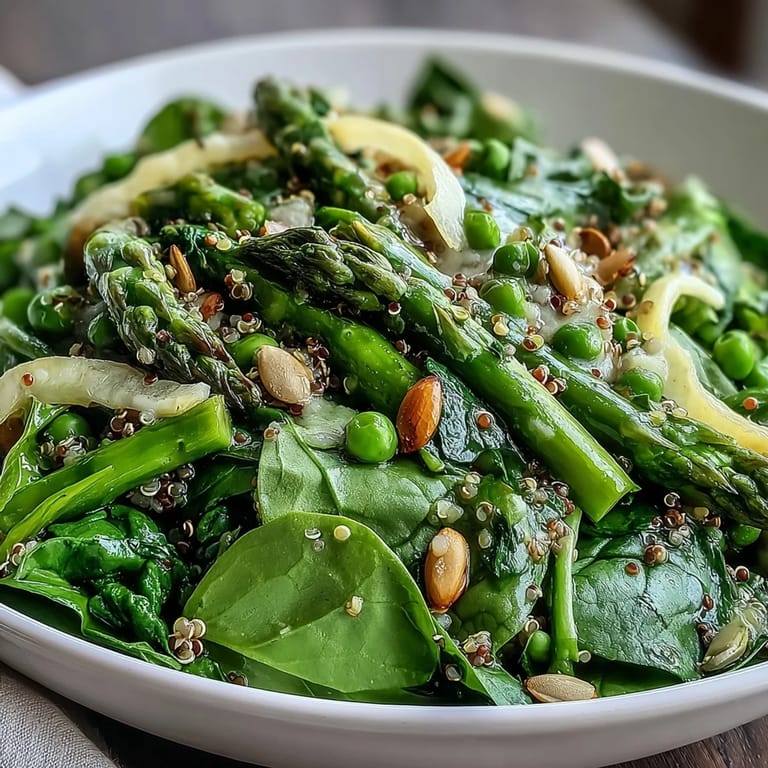
Save There's a particular moment in late April when I realized I'd been eating the same heavy winter meals for too long—my kitchen felt stuck, my energy dull. That's when I started playing with what the farmers market was suddenly offering: those impossibly bright peas still in their pods, pencil-thin asparagus, and spinach so tender it practically melted on my tongue. I threw them together over some quinoa with a sharp lemon dressing, and something clicked. This bowl became my reset button, the meal that reminded me spring had actually arrived.
I made this for a friend who'd been recovering from surgery and couldn't stomach rich or complicated food. She asked for seconds without prompting, which doesn't sound like much until you understand how rare that moment was for her. The colors on the plate seemed to matter as much as the taste—like her body recognized something vital in all that green.
Ingredients
- Quinoa, brown rice, or farro (1 cup): Choose based on what you have or what your body needs—quinoa cooks fastest and has a fluffy texture, while brown rice is earthier and more forgiving if you're distracted.
- Water and salt (2 cups water, ½ tsp salt): The salt goes in the cooking water, not added later, so the grains absorb flavor from the start.
- Fresh or frozen green peas (1 cup): Frozen peas are honestly just as good as fresh and sometimes better because they're picked at peak ripeness—no shame in using them.
- Asparagus, trimmed and cut into 2-inch pieces (1 cup): Cut them uniform so they cook evenly; woody ends should snap off naturally when you bend them.
- Green beans, trimmed and cut into 2-inch pieces (1 cup): The same blanching time as asparagus keeps your timing simple and your sanity intact.
- Baby spinach leaves (2 cups): The baby variety wilts down so quickly you barely need heat, which preserves that delicate flavor and bright color.
- Extra-virgin olive oil (3 tbsp): This is where quality matters because the dressing is so simple—cheap oil will announce itself loudly.
- Freshly squeezed lemon juice and zest (2 tbsp juice, 1 tsp zest): The zest brings brightness that bottled juice simply cannot, so don't skip it even though it adds a step.
- Dijon mustard (1 tsp): It acts as an emulsifier, helping the dressing cling to the vegetables instead of pooling at the bottom of the bowl.
- Maple syrup or honey (1 tsp): Just a whisper of sweetness balances the acid and mustard's sharpness.
- Garlic clove, minced (1 small): One clove is enough to notice without overpowering; fresh matters here more than ever.
- Salt and freshly ground black pepper: Taste as you go—the grains and vegetables need their own seasoning before the dressing touches them.
- Optional toppings (seeds, feta, fresh herbs): Seeds add crunch that makes the whole dish more interesting; feta brings tangy richness if you're not vegan; herbs are your final say on flavor.
Tired of Takeout? 🥡
Get 10 meals you can make faster than delivery arrives. Seriously.
One email. No spam. Unsubscribe anytime.
Instructions
- Rinse and start your grains:
- Run cold water over your chosen grain until the water runs clear—this removes excess starch and prevents mushiness. Bring salted water to a rolling boil, add grains, then drop the heat low and cover; resist the urge to peek too often because steam escape means dry results.
- Blanch your vegetables with intention:
- Get a large pot of salted water boiling while you prep, then work through each vegetable type one at a time for 2–3 minutes—you're looking for bright color and a slight bend when you poke them. The ice bath stops cooking instantly, which is the difference between crisp vegetables and mushy ones.
- Wilt the spinach gently:
- A hot skillet with no oil needed—just toss the spinach in for a minute and it collapses into something tender and concentrated. Don't walk away; this happens faster than you'd expect.
- Build your dressing in a small bowl:
- Whisk the lemon juice and mustard together first, then slowly drizzle in oil while whisking so it emulsifies into something creamy without dairy. The garlic and zest go in last, and taste before you finish seasoning because you might surprise yourself with how little salt you actually need.
- Compose the bowls like you're creating something intentional:
- Grains first as your base, then arrange vegetables in sections so you get some of everything in each bite. The visual separation matters because eating becomes an experience instead of just refueling.
- Dress and finish:
- Pour dressing over everything, then scatter seeds and herbs across the top. If using feta, crumble it just before serving so it doesn't compress into the warm grains.
 Save
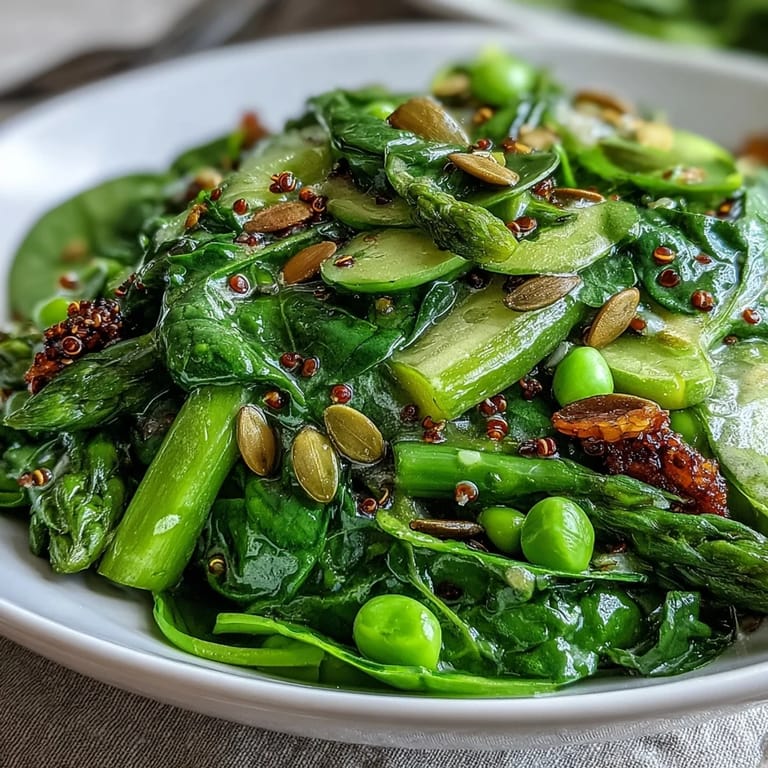
Save My partner once said this bowl tasted like spring looked, and I haven't stopped thinking about that description. It's funny how food can become less about nutrition and more about marking time, about honoring what the season is actually offering.
Grain Choices Matter
Quinoa gives you the quickest path and the most delicate texture, almost melting into the vegetables. Brown rice feels more substantial and earthy, holding up beautifully if you're making this ahead. Farro splits the difference—nutty, chewy, and forgiving if you accidentally overcook it by a few minutes. I've rotated through all three depending on my mood and what's in my pantry.
The Power of Proper Seasoning
This recipe taught me that seasoning vegetables before they meet the dressing is crucial. Salt the blanching water generously—like sea water, as the saying goes—and taste each element independently. By the time everything comes together, the layers of flavor are subtle but unmistakable, and the dressing becomes enhancement rather than salvation.
Making It Your Own
The beauty of a bowl is its flexibility without becoming chaos. Swap grains, swap vegetables, add protein if you need it. I've made this with shredded roasted chicken for guests, with crispy tofu for myself, with chickpeas for when I was eating more plant-based. The core—bright vegetables, simple dressing, intentional assembly—stays the same.
- Add grilled chicken, baked tofu, or roasted chickpeas if you need protein to feel satisfied.
- Try fresh dill instead of parsley, or mint if you want something more Mediterranean-leaning.
- Keep toppings separate until serving so textures stay true and you control how much crunch and richness you want in each bite.
 Save
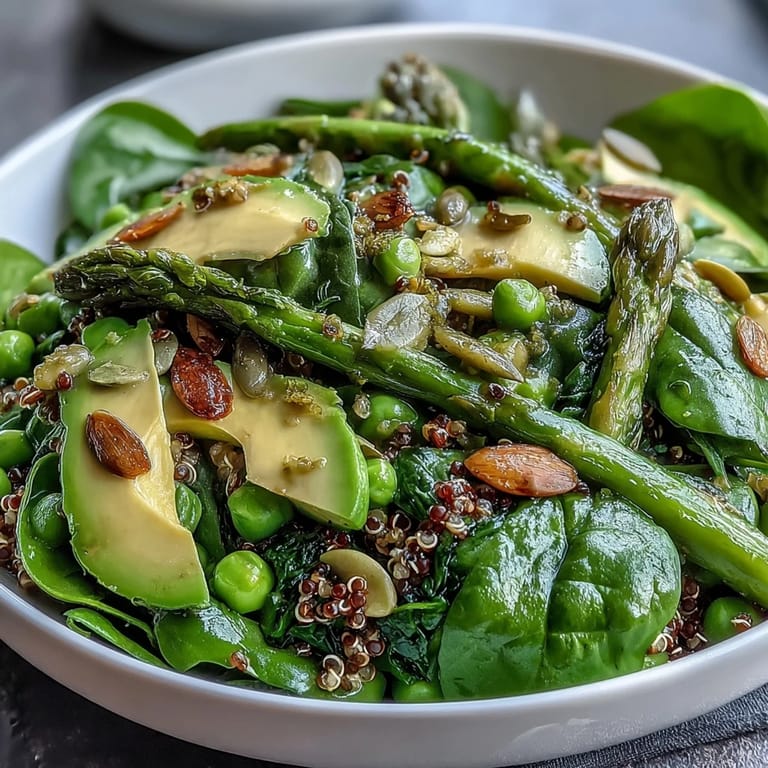
Save This bowl became proof that simple food, made with attention to detail and respect for ingredients, is everything I actually want to eat. It's fresh without being fussy, nourishing without feeling like an obligation.
Recipe Questions & Answers
- → What grains work best as the base?
Quinoa, brown rice, or farro all provide a sturdy, nutty base that complements the fresh vegetables well.
- → How can I keep vegetables crisp and vibrant?
Blanch peas, asparagus, and green beans in boiling salted water, then immediately plunge them into ice water to stop cooking and retain color.
- → Is there a way to make the dressing tangier?
Increasing the lemon juice or zest slightly will add more brightness and tang without overpowering the other flavors.
- → Can this be prepared ahead of time?
Yes, cook grains and prepare vegetables separately. Keep dressing and toppings chilled and assemble just before serving for best freshness.
- → What toppings enhance texture and flavor?
Toasted pumpkin or sunflower seeds add crunch, while fresh herbs like mint or dill bring aromatic freshness. Crumbled feta adds a creamy, salty note.